
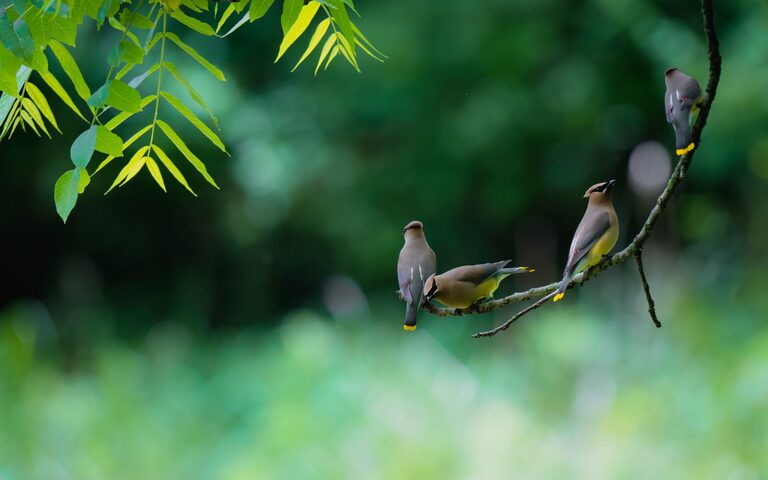
Birdwatching is a rewarding hobby that brings you closer to nature without needing to travel far. Your own backyard can become a lively spot to observe colorful birds, hear their songs, and learn about local wildlife. If you’re new to birdwatching, this guide will help you get started with simple, effective tips. Whether you have a small balcony or a large garden, you can create an inviting space for birds and enjoy hours of peaceful observation.
Why Birdwatch in Your Backyard?
Birdwatching at home is convenient and relaxing. It requires minimal equipment and can be done anytime, making it perfect for beginners or anyone with a busy schedule. Watching birds offers benefits like reducing stress, improving mood, and connecting with nature right outside your door. Plus, it’s a fun way to engage children in learning about wildlife.
Getting Started: Essentials for Backyard Birdwatching
1. Choose the Right Spot
Select a quiet area in your yard or balcony where you can sit comfortably and watch without disturbing the birds. Near trees, bushes, or a water source is ideal because birds naturally gather there. Make sure the spot has some shade and is protected from strong winds.
2. Set Up a Bird Feeder
A bird feeder attracts birds and brings them closer for easy watching. Here are some common types:
– Hopper feeders: Hold a good amount of seed and attract multiple birds at once.
– Tube feeders: Great for small seed-eating birds like finches.
– Platform feeders: Open trays that attract ground-feeding birds.
Make sure to clean feeders regularly to prevent disease.
3. Provide Fresh Water
Birds need water for drinking and bathing. A birdbath or shallow dish with clean water will entice them to visit. Keep the water fresh and clean, changing it every few days. Adding a small fountain or dripper can attract more birds by creating moving water.
4. Choose Suitable Bird Food
Different birds prefer different foods. Here are some popular options:
– Black oil sunflower seeds: Favorite of many species.
– Nyjer (thistle) seed: Attracts finches.
– Peanuts (unsalted, shelled): Loved by woodpeckers and jays.
– Suet cakes: Provide high-energy food, especially in colder months.
Avoid bread, as it has little nutritional value for birds.
Observing and Identifying Birds
1. Use Binoculars and a Field Guide
A pair of binoculars helps you see details without disturbing birds. A field guide (book or app) with photos and descriptions helps identify species by color, size, and behavior.
2. Keep a Birdwatching Journal
Record the types of birds you see, dates, and any interesting behaviors. This practice improves your observation skills and creates a personal connection with the birds.
3. Learn Common Bird Calls
Listening to bird songs is part of the fun. Many free apps and websites can help you learn and recognize common bird calls in your area.
Creating a Bird-Friendly Garden
1. Plant Native Trees and Shrubs
Native plants provide natural food and shelter. Berries, seeds, and insects found on these plants attract a variety of birds.
2. Avoid Pesticides and Chemicals
Using pesticides can harm birds and reduce the insects they feed on. Opt for natural gardening methods to protect wildlife.
3. Provide Shelter and Nesting Sites
Brush piles, birdhouses, and dense shrubs offer safe places for birds to hide and nest. Choose birdhouses appropriate for the species common in your area.
Common Backyard Birds to Watch For
Depending on your location, you might spot:
– Cardinals
– Blue Jays
– American Robins
– Chickadees
– Sparrows
– Finches
– Woodpeckers
Each bird has unique colors and behaviors. Watching how they feed, interact, and move can be fascinating.
Tips for a Successful Birdwatching Experience
– Be patient and quiet to avoid scaring birds away.
– Observe from a comfortable distance.
– Visit your backyard at different times of day; birds may be more active early morning or late afternoon.
– Share your observations with local birdwatching groups or online communities for encouragement and identification help.
Conclusion
Starting backyard birdwatching is easy and enjoyable with just a few simple steps. By setting up feeders, providing water, planting native plants, and practicing patient observation, you’ll create a welcoming space for birds and a peaceful hobby for yourself. Enjoy the beauty of nature right at your doorstep!
Happy birdwatching!