
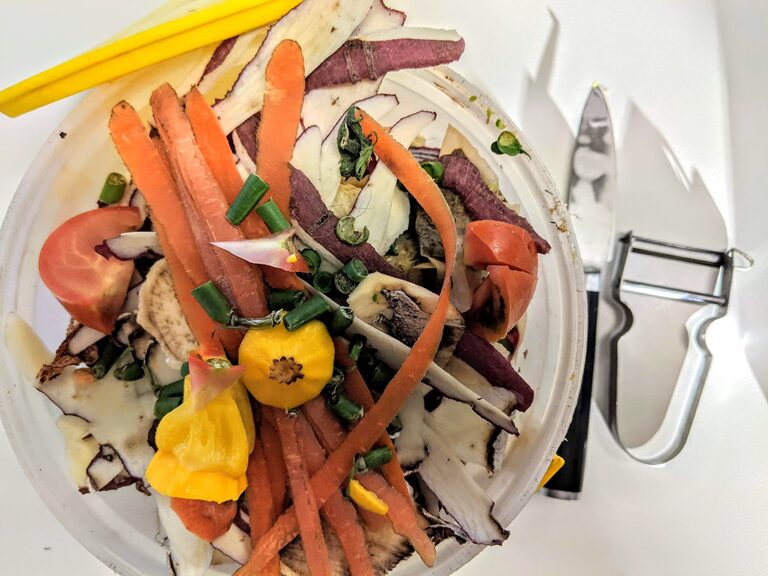
Reducing food waste at home is a powerful way to save money, conserve resources, and help protect the environment. Every year, millions of tons of edible food end up in the trash, contributing to greenhouse gas emissions and wasting the effort and energy used in food production. Fortunately, making small changes in your kitchen and shopping habits can make a significant difference. This article explores practical and easy ways to reduce food waste at home.
Understanding Food Waste at Home
Food waste includes any food that is discarded or spoiled before it can be eaten. At home, this often happens because of overbuying, improper storage, cooking too much, or misunderstanding expiration dates. By improving how you plan, store, and use food, you can reduce the amount you throw away.
Plan Your Meals and Shop Smart
Make a Weekly Meal Plan
Planning meals for the week helps you buy only what you need. It reduces impulse purchases and prevents excess food that ends up unused. Write down your meals including breakfasts, lunches, dinners, and snacks.
Create a Shopping List
Based on your meal plan, prepare a shopping list and stick to it. This keeps your shopping efficient and focused, minimizing the temptation to buy items you won’t use.
Avoid Bulk Buying Without a Plan
While buying in bulk can be economical, it might lead to waste if you cannot consume the food before it spoils. Be realistic about your household’s consumption rates.
Store Food Properly
Proper storage extends the shelf life of food and keeps it fresh longer.
Use Clear Containers
Store leftovers and prepped ingredients in clear, airtight containers so you can easily see what you have.
Keep Fruits and Vegetables Fresh
Some produce lasts longer if refrigerated, while others should stay at room temperature. For example, berries and leafy greens do well in the fridge, whereas potatoes and onions prefer a cool, dark place.
Separate Ethylene-Producing Fruits
Certain fruits like apples and bananas produce ethylene gas, which speeds up ripening. Keep these separate from vegetables to avoid premature spoilage.
Make Use of Leftovers and Surplus Food
Repurpose Leftovers Creatively
Transform extra cooked vegetables, grains, or meats into new dishes such as soups, stir-fries, or salads.
Use Freezer Storage
Freeze leftovers or surplus food like bread, cooked rice, or sauces. Label them with the date to keep track.
Compost Food Scraps
For unavoidable scraps like peels and cores, consider composting to reduce landfill waste.
Understand Food Labels
Know the Difference Between "Use By" and "Best Before"
– Use By: Indicates when food is no longer safe to eat. Do not consume after this date.
– Best Before: Suggests when food is at its best quality but can still be safe afterward.
Understanding these can prevent discarding food that is still good.
Practice Portion Control
Serving appropriate portions can reduce uneaten food on plates. Encourage family members to take smaller servings and go back for seconds if still hungry.
Regularly Check Your Pantry and Fridge
Take time each week to review what you have. Use older items first and keep your storage areas organized to avoid losing track of food.
Donate Excess Food When Possible
If you have unopened, safe-to-eat food you won’t use, consider donating it to local food banks or community kitchens.
Educate and Involve Your Family
Make reducing food waste a shared household goal. Involve everyone in meal planning, shopping, cooking, and storing to build good habits together.
—
By applying these practical tips, you will not only cut down on food waste but also contribute to a healthier planet and your family’s budget. Remember, every small action counts when it comes to reducing waste and promoting sustainability at home.